

Used SUV Shopping Priorities for South Euclid, OH Drivers
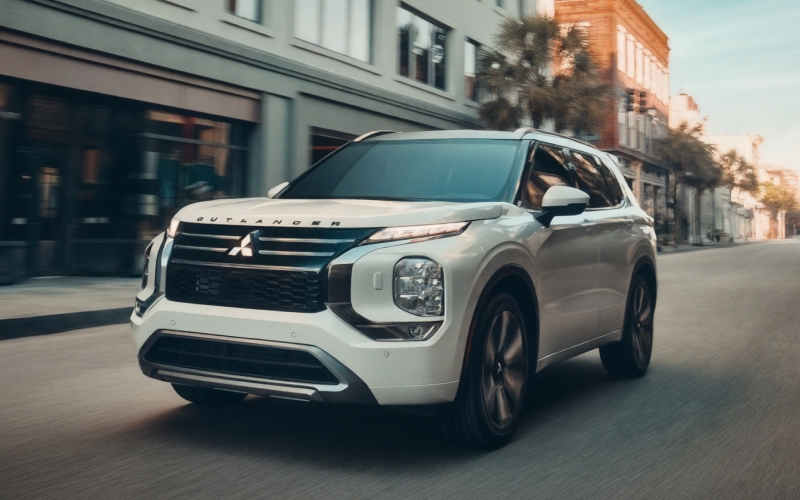
North Coast Mitsubishi Bedford – Used SUV Shopping Priorities for South Euclid, OH Drivers
Used SUV shopping can feel exciting, but it can also bring up a lot of questions at once. Which size makes the most sense? Should you focus on mileage or model year? Is all-wheel drive worth considering? What matters more, cargo space or fuel efficiency? For drivers around South Euclid, the right answer often depends on daily routes, household needs, and how the SUV will be used beyond the commute. A compact SUV can be ideal for navigating local streets, parking near restaurants and shops, and keeping fuel use manageable. A midsize SUV may be a better fit if your schedule includes car seats, sports gear, luggage, or regular passengers. A three-row SUV can add occasional seating flexibility without moving into a much larger vehicle category.
North Coast Mitsubishi Bedford understands that many used SUV shoppers are comparing several priorities at the same time. A large pre-owned selection helps because it allows you to compare brands, body styles, feature levels, and mileage ranges in one visit. Instead of guessing from photos alone, you can sit in the cabin, fold the seats, check visibility, test infotainment controls, and see whether the cargo area works for your everyday items. That hands-on comparison is especially helpful when shopping for a family vehicle, a commuter SUV, or a flexible second vehicle. For shoppers serving Mayfield, University Heights, and South Euclid, a used SUV should feel ready for suburban streets, quick highway access, and regular errands throughout the east side of the Cleveland area.
Start with the Right SUV Size
Size is one of the most important decisions in a used SUV search. Compact SUVs are popular because the elevated ride height, hatchback cargo access, and efficient footprint make daily driving feel simple. Drivers who frequently park in tighter spaces or split time between neighborhoods and commercial areas may appreciate the smaller turning radius and easier visibility. However, a compact SUV may not be the best choice if rear-seat legroom, wide cargo space, or towing capability is a priority. That is why it helps to bring a realistic list of daily items, such as a stroller, work bags, sports equipment, or pet gear, and test how each vehicle handles those needs.
Midsize SUVs can offer a strong middle ground, with more space than a compact model while remaining manageable for daily use. Some provide available third-row seating, while others focus on two-row comfort and cargo depth. If you regularly drive with passengers, check rear door openings, seat height, USB access, air vents, and how easily the second row folds. A used SUV should not only look capable from the outside; it should make your routine easier inside the cabin. Comfort details, storage cubbies, cupholders, and simple controls can matter just as much as horsepower or screen size.
What to Check Before a Test Drive
- Exterior condition: Look for paint consistency, tire wear, glass condition, lighting, and signs of uneven panel gaps.
- Interior wear: Check seat bolsters, carpet condition, cargo-area trim, buttons, screens, vents, and odor.
- Service indicators: Ask about maintenance records, recent inspections, brake condition, tire age, battery health, and fluid service.
- Technology features: Test smartphone connection, backup camera clarity, audio controls, navigation if equipped, and driver-assistance alerts.
- Cargo flexibility: Fold the rear seats, measure usable space visually, and check whether the liftgate height and load floor work for you.
A good test drive should include more than a short loop around the block. Try low-speed turns, normal acceleration, braking, parking, and highway-style merging if possible. Listen for suspension noise, feel whether the steering tracks straight, and make sure the transmission shifts smoothly. Also pay attention to seat comfort after several minutes. Some SUVs feel great at first but may not provide the support you want for longer drives. Visibility is another important detail. Large roof pillars, small rear windows, or a high beltline can affect confidence, especially in parking lots and multi-lane traffic.
Used vs. Certified Pre-Owned Mitsubishi SUVs
Many shoppers compare standard used SUVs with Certified Pre-Owned options. A used vehicle can be a strong value when condition, history, and maintenance are solid. Certified Pre-Owned Mitsubishi vehicles add a defined program structure. Eligible Mitsubishi CPO vehicles must pass a 123-point inspection by a Certified Technician and require a Vehicle History Report as part of the prequalification process. Program benefits can include Powertrain Limited Warranty coverage up to 10 years or 100,000 miles from the original in-service date, no deductible for covered repairs, and 24-hour Roadside Assistance for the applicable warranty period.
This does not mean every shopper must choose certified, but it does provide a useful comparison point. If peace of mind is a top priority, a CPO Mitsubishi SUV may stand out. If your goal is to compare many brands and find a specific size, mileage range, or feature package, a broader used SUV search may make more sense. The key is to compare each vehicle as a complete ownership decision, not just a model name. Review condition, history, inspection results, warranty status, maintenance needs, and comfort. A lower-mileage SUV without the right features may not fit as well as a slightly higher-mileage SUV with better space and documented care.
Financing and Trade-In Questions to Ask
Financing is another part of the search journey that deserves careful attention. Before applying, consider a full budget that includes insurance, fuel, maintenance, registration, and a cushion for future repairs. A payment calculator can help create a starting point, while a finance application can help move the process forward. Lenders often consider factors such as credit score, credit history, employment history, debt-to-income ratio, requested loan amount, repayment terms, vehicle age, and vehicle condition. Understanding these factors can make the process feel more transparent.
If you plan to trade your current vehicle, start with an online valuation tool and gather important documents before visiting. Bring registration, title information if available, keys, and loan payoff details if the vehicle still has a balance. Trading can simplify the transition into a used SUV because the appraised value may be applied toward the next purchase. It also saves time compared with selling privately. During the appraisal, vehicle condition, mileage, demand, history, and market data all matter. A clean vehicle with maintenance records may create a smoother review.
Frequently Asked Questions:
How much mileage is too much for a used SUV?
Mileage matters, but maintenance history and condition matter just as much. A well-maintained SUV with higher mileage can be a smarter choice than a lower-mileage SUV with gaps in service records or visible neglect.
Is all-wheel drive necessary in a used SUV?
All-wheel drive can add confidence on slick roads and uneven surfaces, but it is not required for every driver. Consider your commute, parking situation, tire quality, and how often you drive in challenging conditions.
What features should I prioritize?
Prioritize features used every week, such as backup camera visibility, blind spot monitoring, smartphone integration, heated seats, cargo flexibility, comfortable seating, and easy-to-use climate controls.
Why shop a larger used inventory?
A larger inventory gives you more chances to compare size, mileage, condition, features, drivetrain, and brand options. It can also help you avoid settling for an SUV that only partly fits your needs.
0 comment(s) so far on Used SUV Shopping Priorities for South Euclid, OH Drivers